

The human gut microbiome can be classified into enterotypes which are influenced by lifestyle and dietary preferences. The project aims to understand how two enterotype-defining groups of bacteria, Bacteroides and Prevotella, interact with other members of the gut microbiota at the genetic and metabolic level with the ultimate goal is to identify mechanisms and trajectories of community level shifts in human microbiomes, their impact on metabolic fluxes and the functional consequences for the host.
Approach
For this experiment, we will use advanced methods like DNA sequencing, liquid chromatography tandem mass spectrometry (LC-MS) metabolomics to study genetic and metabolic characteristics of Bacteroides and Prevotella.
Analysis & Validation
The study will use human gut samples from the Global Microbiome Conservancy cultured in a bioreactor that mimics the human gut.
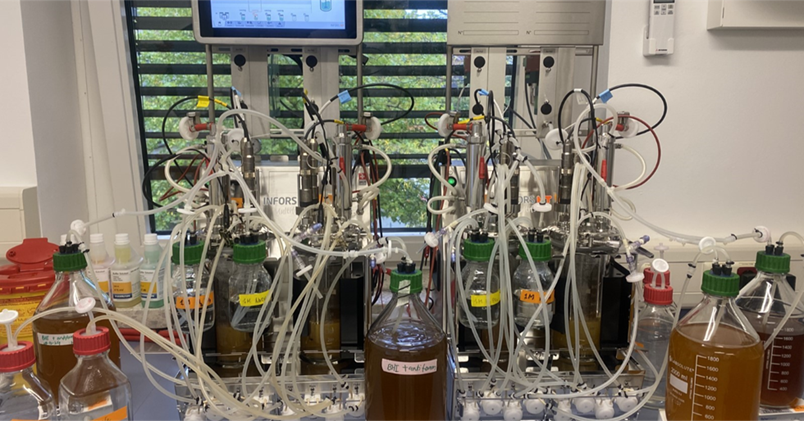
Also, we will use computational tools to identify how these bacteria drive changes in the microbiome community and how these changes affect human health. Ultimately, the project hopes to develop strategies to maintain human microbiome health.
Researcher:
Hina Ayub
 Host-microbiome systems in health & disease